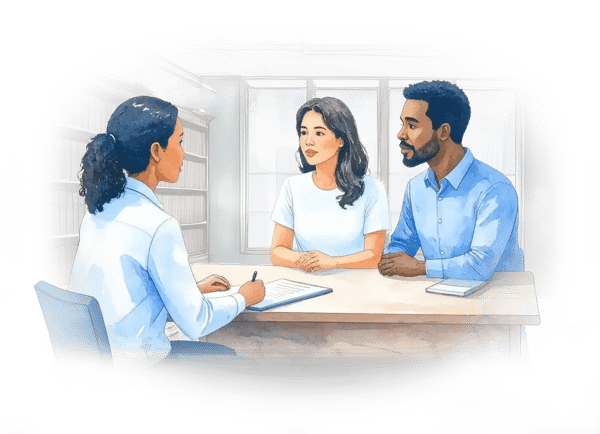
Statewide parent and child representation offices create the foundation for strong, consistent, and accountable legal representation across an entire child welfare system.
By establishing consistent standards, supporting attorneys and interdisciplinary teams, collecting and using data, and developing training and practice resources, these offices can strengthen representation while reducing the variation that too often exists from one community to another.
For parents and children, a statewide structure can mean more consistent access to skilled advocates, stronger accountability, and representation grounded in proven practices—regardless of where a family lives. For attorneys and advocates, it creates a community of practice, shared resources, and a central source of support for continuous improvement. Statewide offices can also give the field a stronger voice in policy and systems change, helping ensure that the experiences and interests of parents and children remain central to how child welfare systems operate.
Interdisciplinary legal representation brings together attorneys, social workers, parent advocates, and other professionals to provide holistic support to families involved in the child welfare system. Rather than focusing only on the legal case, interdisciplinary teams address the legal, social, and practical needs that affect a family's ability to safely care for their children.
Working together, team members advocate for parents and children in court, connect families to community resources, help address barriers such as housing, employment, or treatment needs, and provide peer support from individuals with lived experience in the child welfare system.
Research has shown that interdisciplinary representation can improve family engagement, reduce time in foster care, increase reunification, and help families achieve better long-term outcomes. By combining legal advocacy with comprehensive support, this model strengthens families while promoting more just and effective child welfare systems.


Law school clinics that represent parents or children in child welfare cases play a vital role in strengthening families and improving outcomes. These clinics provide direct legal representation in court cases while also serving as training grounds for future attorneys who are learning to practice with skill, empathy, and a deep understanding of family defense work.
For families, clinic representation can mean access to high-quality legal advocacy that might otherwise be out of reach. Students, supervised by experienced faculty attorneys, help parents and children navigate complex child welfare proceedings and protect their rights.
For the broader field, law school clinics are an essential source of innovation and capacity. They often help develop and test interdisciplinary and trauma-informed approaches, contribute to policy and practice research, and strengthen partnerships between legal advocates, community organizations, and public systems.
By training the next generation of family defense attorneys, law school clinics are a critical part of a more just and effective child welfare system.
American Bar Association. A Law Clinic Model for Preventive Legal Advocacy
Pre-petition legal services provide legal advocacy and support to families before a child welfare agency files a court petition to remove a child or initiate formal court involvement. By helping parents understand their rights, address legal issues and navigate child welfare investigations early, these services can prevent unnecessary court involvement and keep families safely together.
Pre-petition legal services may include legal advice, representation during child welfare investigations, advocacy in meetings with the agency, negotiation of safety plans and referrals to community-based services that address a family's underlying needs.
Research and practice show that providing legal representation as early as possible can improve outcomes for families, reduce unnecessary removals and promote more equitable decision-making. When combined with social work, peer support and other community-based services, pre-petition legal advocacy is a powerful prevention strategy that helps families resolve concerns before they escalate into court cases.
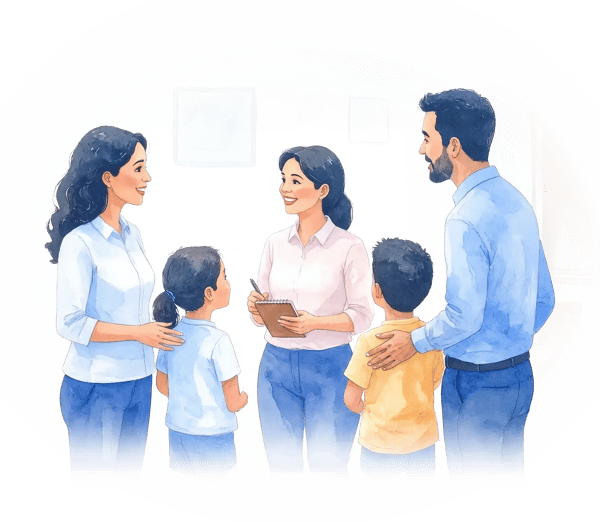
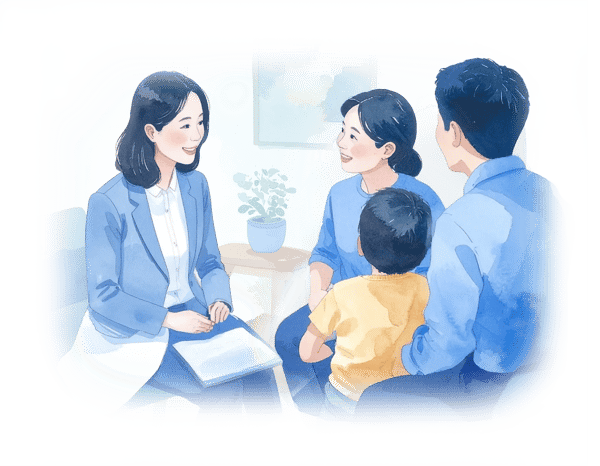
Strong families are the foundation of strong communities. When families have access to trusted support before challenges become crises, children are more likely to remain safely at home and thrive.
Family Resource Centers represent a proven, community-based approach to prevention by connecting families with the resources, relationships, and services they need—without requiring involvement in the child welfare system.
Parenting education and family support
Connections to food, housing, healthcare and other basic needs
Child-development and early-learning resources
Peer support and family mentoring
Financial, employment and wellness resources
.png?width=150&height=81&name=family-defense-council-sunlight-color%20(1).png)